Spring: fresh greens and woodland flowers
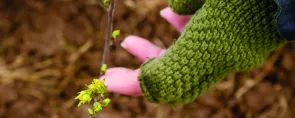
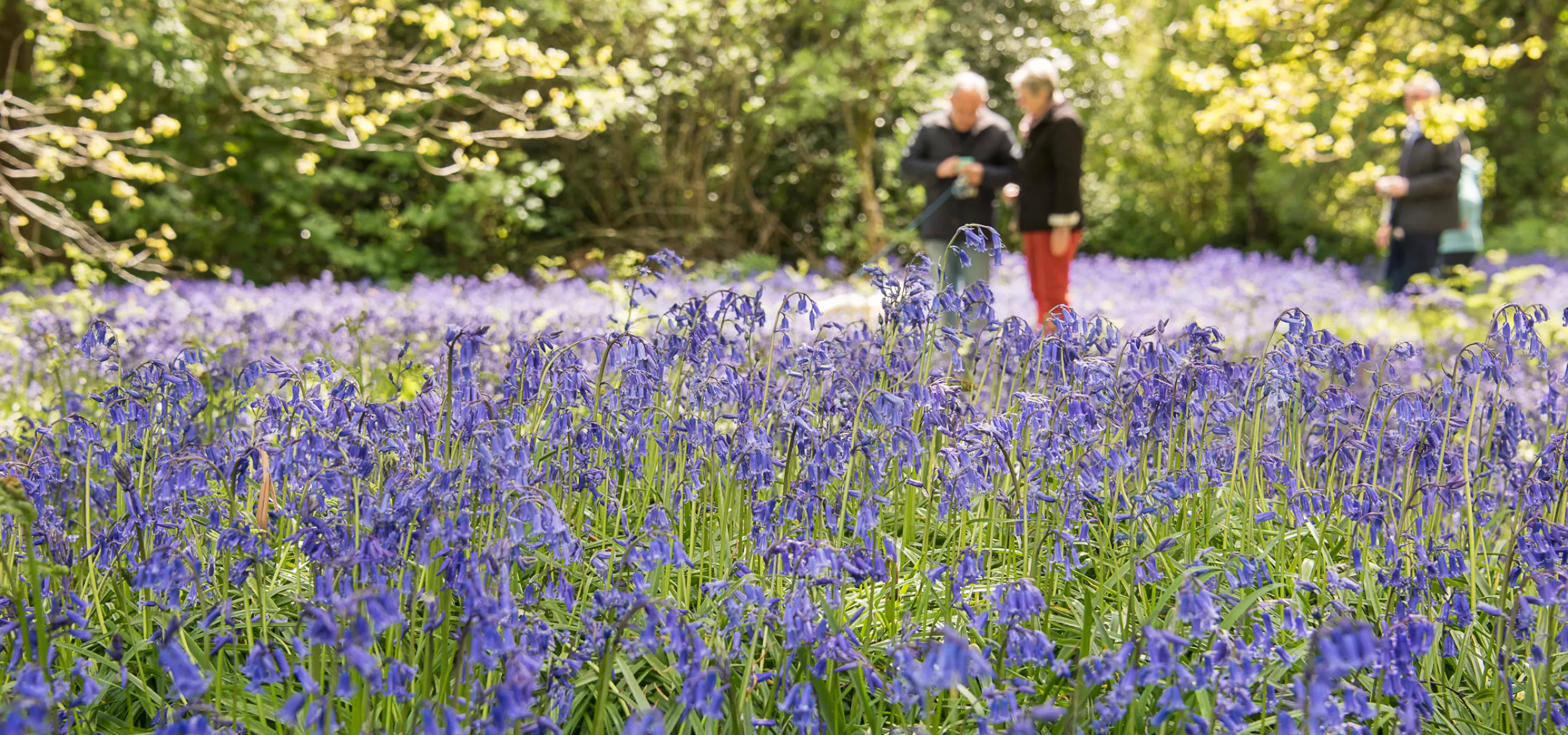
Spring awakens the Forest with blossom and young leaves. At Feanedock Wood, blackthorn and hawthorn brighten hedgerows, while primroses and wild garlic add colour to woodland floors. Later, bluebells sweep beneath trees at The Outwoods, and meadows come alive with cowslips and buttercups. Spring also brings returning wildlife, from nesting birds to pollinating insects.
Summer: wildflower meadows and ripening fields
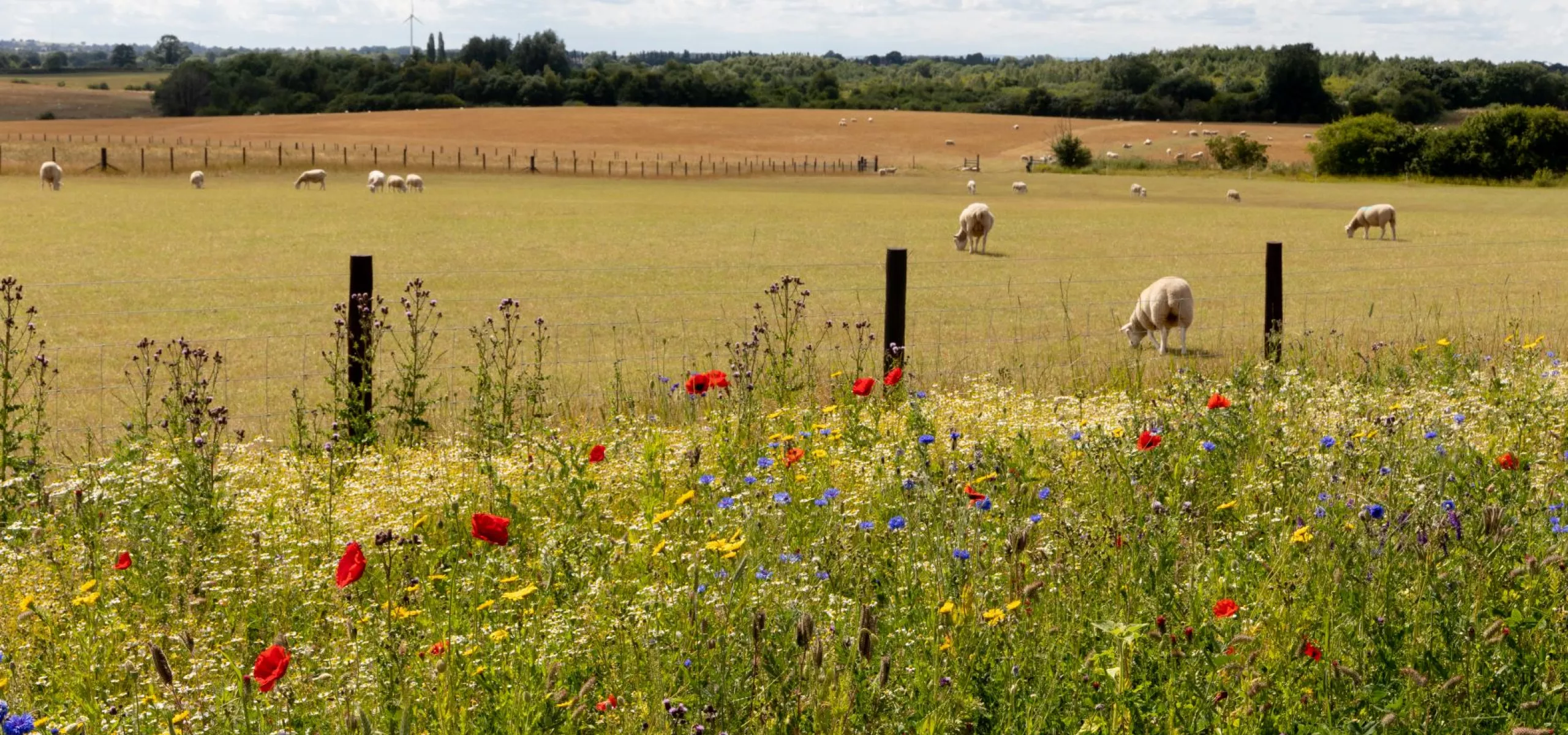
Early summer spreads colour into open landscapes. Minorca Woodlands hosts species-rich wildflower meadows, with oxeye daisies, knapweed, clover, and buttercups. Hedgerows darken as early fruits form, while arable fields turn gold as wheat and barley ripen, punctuated by red poppies. Summer also brings abundant wildlife, from deer to insects, making it a vibrant season for exploring trails and meadows.
Autumn: fruits, foliage, and fungi
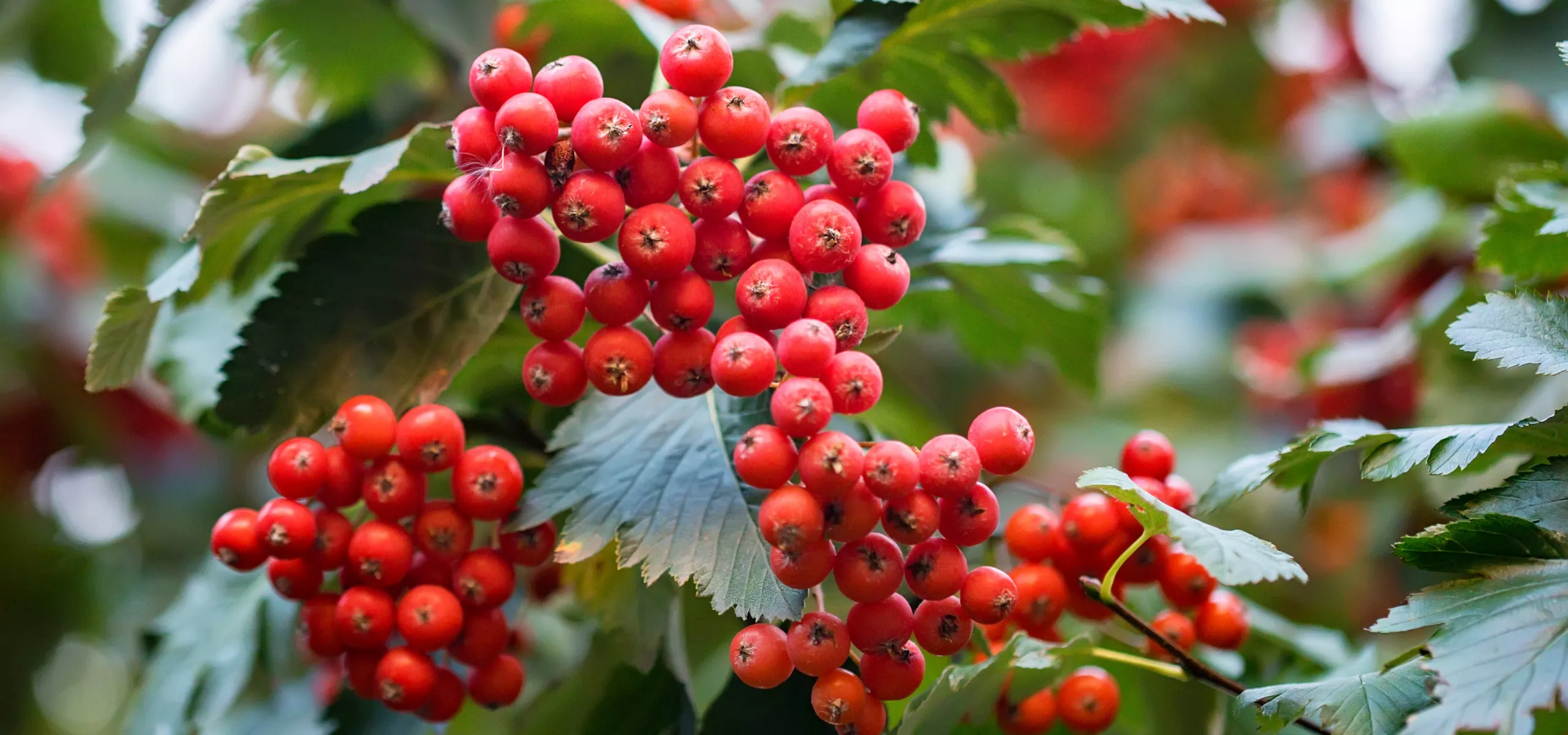
Autumn offers the richest palette. Woodland canopies at Hicks Lodge shift through gold, copper, and brown, while hedgerows glow with rowan berries and hawthorn haws. Apples, plums, and crab apples reach peak colour in orchards, and woodland floors come alive with fungi, including russulas, waxcaps, fly agaric, and chicken of the woods. Autumn is a feast for all senses as wildlife prepares for winter.
Winter: light, texture, and subtle colour
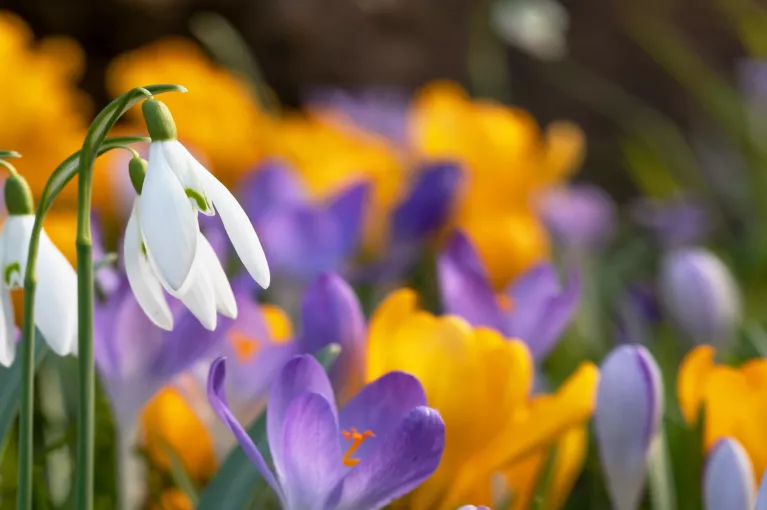
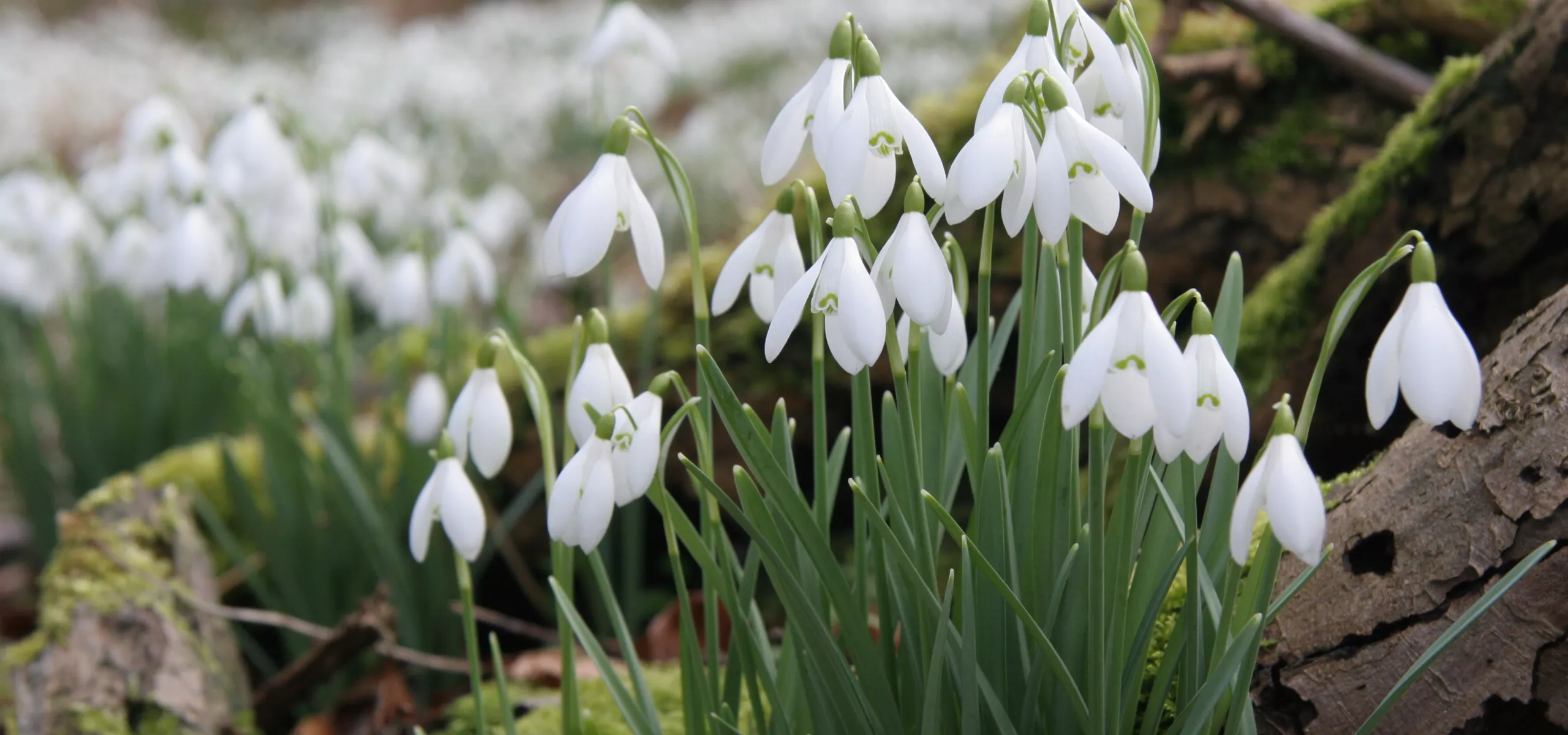
Winter strips back the landscape, yet colour remains. Dimminsdale Nature Reserve is carpeted with snowdrops, while Albert Village Lake reflects frost and mist. Evergreens, holly, and conifers provide deep green structure, and fungi like bracket and jelly fungi add warm tones against leaf litter. Frosted grasses, reedbeds, and still waters create a quiet, textured winter landscape.
From spring blossoms and summer meadows to autumn fruits and fungi, and the light and texture of winter, the National Forest transforms throughout the year. Every visit offers new discoveries, making it a living, evolving landscape to explore in every season