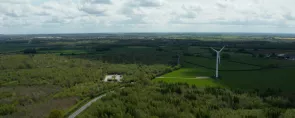
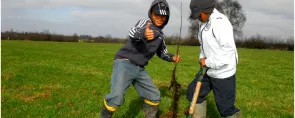
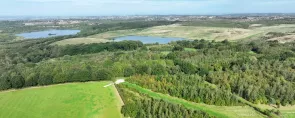
Since the first trees were planted more than thirty years ago, the National Forest has become one of the most ambitious regeneration projects in the country. Woodland cover has increased from around six per cent to 25 per cent, with close to 10 million trees planted so far. The growth of native broadleaf species such as English oak (Quercus robur), silver birch (Betula pendula), field maple (Acer campestre), rowan (Sorbus aucuparia) and hazel (Corylus avellana) has helped to shape a living, breathing landscape where nature thrives year-round.
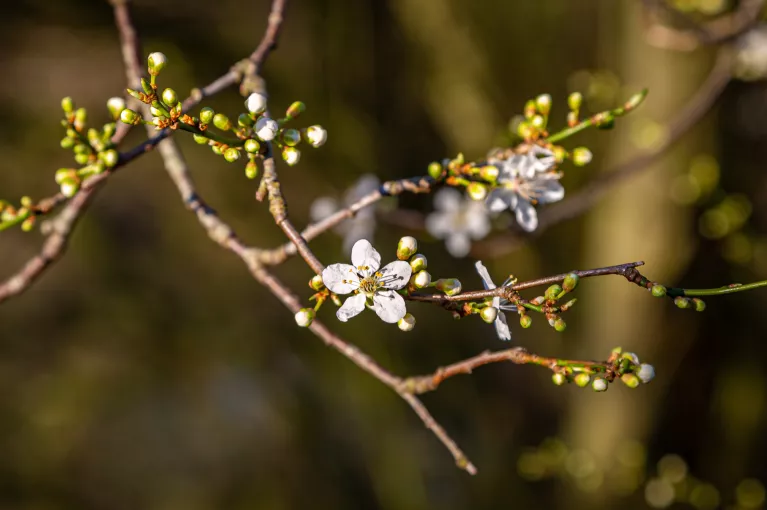
Spring marks a period of intense renewal for these trees. After months of dormancy, warmer temperatures and lengthening days trigger hormonal changes that tell buds it is safe to open. Inside each bud, tiny, folded leaves and delicate flowers, formed the previous summer, begin to expand. The tree channels water and nutrients from its roots, pushing them towards these growing tips. Within weeks, the first soft greens appear across the canopy, and the Forest shifts from brown and grey to the fresh hues of spring. Look out for blackthorn coming into blossom and adding a fresh, white hue to hedges and woodland edges.
This reawakening depends on a careful balance between temperature, daylight, and stored reserves. During winter, trees conserve energy by reducing metabolic activity to a minimum. As the soil warms, root respiration increases, drawing in oxygen and releasing carbon dioxide. This renewed activity fuels the uptake of water and minerals, allowing the tree to resume photosynthesis once the leaves unfurl.
Photosynthesis is the defining process of spring. As chlorophyll returns to the leaves, the trees begin converting sunlight, water, and carbon dioxide into sugars, fuel for growth that sustains both the tree itself and the life that depends on it. This surge of productivity supports an entire web of species. Early pollinators feed on nectar from hazel catkins, willow flowers, and the first flush of wildflowers that appear beneath the canopy. Birds return to build nests, and mammals emerge to forage and raise their young.
Not all trees awaken at the same pace. Silver birch is among the earliest to leaf, responding quickly to warmth and light, while oak waits until later in spring, reducing the risk of frost damage to its young leaves. This staggered timing helps spread the season’s abundance, ensuring that wildlife has a steady supply of food and shelter throughout the months of renewal.
As the Forest comes back to life, each tree contributes to the wider resilience of the landscape. Their leaves capture carbon and release oxygen, their roots stabilise soil and improve water quality, and their branches provide food and homes for countless species. For people too, spring in the National Forest is a time to reconnect, walking beneath bright canopies, listening to birdsong, and witnessing the powerful cycle of renewal that defines this place.
After the stillness of winter, the awakening of the Forest is a reminder of how deeply connected life is to the changing seasons. Each leaf that unfurls and each bud that blooms tell the same story of endurance and return, of a landscape that rests, recovers, and renews itself year after year.