But behind the headline figures is a more interesting story. Tourism in the National Forest is changing, with growth in overnight visits and a growing ambition to make tourism a positive force for nature, communities and local enterprise.
Staying visitor numbers increased by 4.4 per cent in 2025, while staying visitor days rose by 6.7 per cent. Compared with 2019, there are now 10.5 per cent more staying visitors and 15.2 per cent more staying visitor days.
That matters because visitors who stay have more time to explore the Forest, discover local businesses and experience the landscape beyond a single attraction or day out.
It is also part of the reason the National Forest has launched its new Transformative Tourism Framework, working with tourism businesses and partners to shape a visitor economy that gives back to the place people come to enjoy.
The framework sets out five pathways for change:
- Growing a greener economy
- Promoting low-carbon travel
- Creating a welcoming and accessible Forest
- Improving visitor and community wellbeing
- Restoring and protecting nature
The first Transformative Tourism Champions were recognised earlier this year, with businesses and organisations already putting these ideas into practice. Their work ranges from sustainable travel and inclusive outdoor experiences to woodland restoration, community wellbeing and nature recovery.
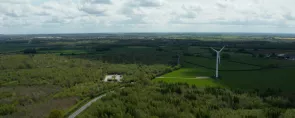
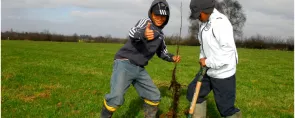
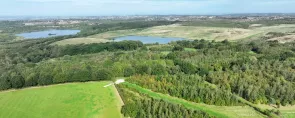
The approach builds on more than three decades of transformation across the National Forest. Last year, the Forest reached another major milestone with the planting of its 10 millionth tree. Woodland cover has risen from around six per cent in the early 1990s to more than 26 per cent, as former coal and clay landscapes have been reshaped into a mosaic of woodland, wetlands, farmland and open habitats.
Tourism is increasingly part of that story.
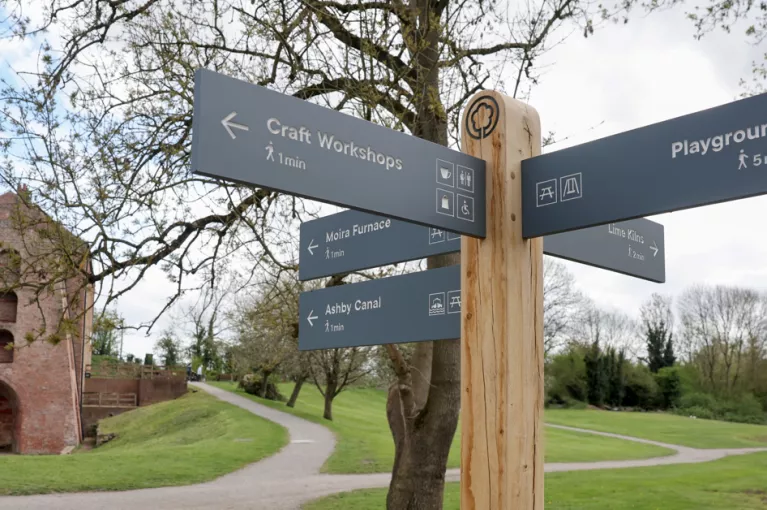
New routes are making it easier to explore the Forest without a car, including the first phase of the National Forest Green Network in the Heart of the Forest. The accessible network connects woodlands, visitor attractions and communities, encouraging walking, cycling and other forms of low-carbon travel.
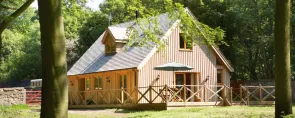
Meanwhile, businesses across the Forest are developing experiences that connect visitors more closely with the landscape, from nature and wildlife to cycling, outdoor activities, food and drink and stays among the trees.
The latest figures also show that the Forest is not simply a summer destination. More day visits took place between October and December than in any other quarter of 2025, demonstrating the opportunity to experience the landscape throughout the year.
For the National Forest, the ambition is creating a destination where tourism supports thriving businesses and communities while helping restore nature, improve access to green space and encourage people to discover and care about the landscape.