The study, funded by the Department for Environment, Food & Rural Affairs (Defra) through the Nature for Climate Fund, surveyed people living within a 30-minute walk of new planting sites in both the National Forest and the Forest of Marston Vale. Its aim was to understand how new woodland creation affects local communities and how people perceive these new landscapes.
Across both areas, 95 per cent of respondents said that creating new woodland is a good thing. In the National Forest specifically, support was even higher, with 97.2 per cent of respondents welcoming new planting and woodland expansion. The findings highlight a clear sense of local pride and connection to the growing forest landscape.
Dr Beth Brockett, senior social scientist at Forestry England, said: “Although there’s a fair amount of evidence regarding the benefits of woodlands to people, there’s very little on the benefits of new planting specifically, or how new planting impacts local communities. Overwhelmingly, new communities believe that the creation of new woodlands is a good thing, whether they visit or not.”
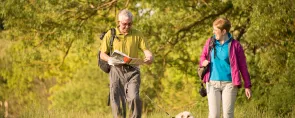
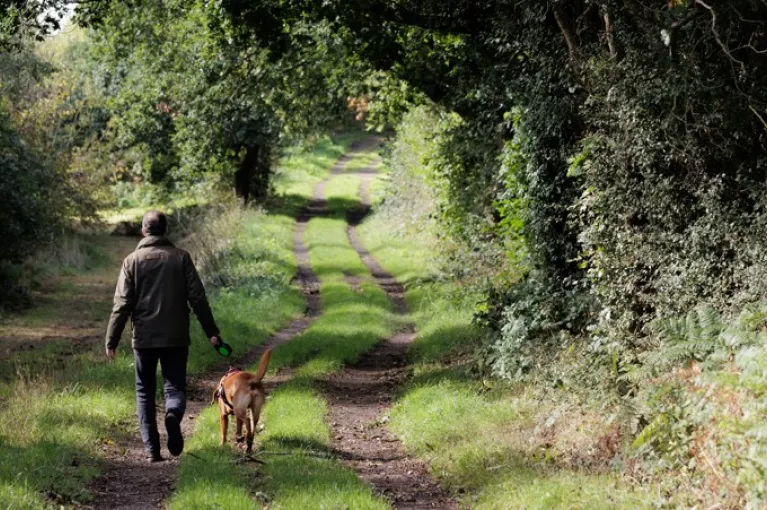
The research found that people see new woodlands as spaces for recreation, wellbeing and nature recovery. In the National Forest, the most common activities in new woodlands are dog walking (47.2 per cent) and walking without a dog (30.7 per cent). Nearly all respondents believe that new woodlands are good for wildlife (97.2 per cent), improve the local landscape (95.6 per cent) and help protect the area from over-development (95.2 per cent).
Importantly, the findings show that the benefits extend beyond regular visitors. Even among those who do not visit, 72.5 per cent said they feel pride in their local woodlands. Reasons for not visiting included poor mobility (27.5 per cent) and lack of time (25.5 per cent), with non-visitors more likely to be from non-white backgrounds and without access to a garden.
The study also underlines the positive impact of new woodland creation on health and wellbeing. Most respondents believe that nearby new woodlands contribute to their physical wellbeing (93.3 per cent) and mental wellbeing (95.4 per cent). Those who visit more often report better mental wellbeing. Encouragingly, 84.3 per cent of respondents said they feel a sense of responsibility for their new local woodlands.
These results provide valuable evidence of the social value of woodland creation and demonstrate how the National Forest continues to enhance quality of life for local communities. They also reinforce the importance of accessible, inclusive woodland spaces as the UK Government works towards its target of increasing tree and woodland cover in England to 16.5 per cent by 2050.
For the National Forest, the findings reaffirm what local people have long understood, that new woodlands are transforming the landscape, strengthening communities, enhancing wellbeing and inspiring pride in place. The results come at a timely moment, as the government confirms a new national forest for the Ox-Cam Corridor, following the announcement earlier this year of the Western Forest, the first new national forest in 30 years, and launches a competition to identify a third location next year.
If you believe in the power of new woodlands like so many of your neighbours do, please consider becoming a Forest Champion today. You’ll be part of a welcoming community, stay updated on how your support helps shape the Forest into an inspiring place for everyone, and play a real role in caring for new woodlands, supporting nature and strengthening your community.